
The Rural Health Force
When the closest hospital is twenty miles away. The conversation that matters happens at a kitchen table.
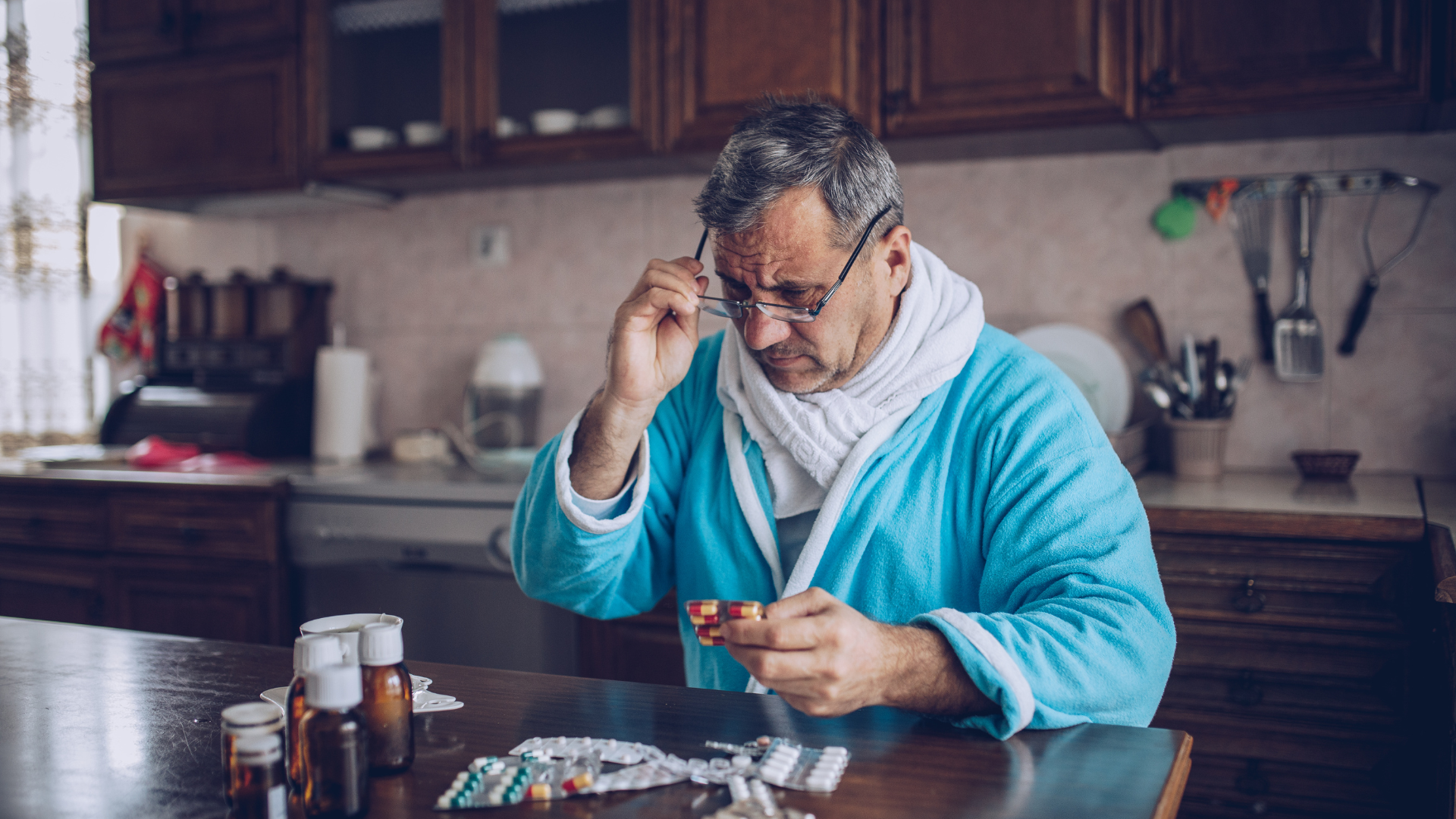
It's a Tuesday morning in a small Arkansas town, and Dana is sitting across from a man named Earl and his daughter. Earl came home last week with three new medications, a folder of instructions, and a follow-up appointment he isn't sure he can get a ride to. His daughter works two counties over. Dana is the community health worker, and for the next hour she does the most human thing in healthcare: she helps a family understand what is happening to them.
This is where rural health actually lives — at the kitchen table, in the truck, on the porch, miles down the road from the clinic. And health education is what holds it together. It's the number one skill every healthcare provider needs, and in a place like this it is often the whole game.
Dana has been getting ready for this kitchen table for three years. Here's how she got here.
She learned to teach it before she ever knew she'd do it
When Dana was a senior in high school, her school ran Health Force Academy. She learned to do something her parents never had the chance to: take real health information and turn it into something people could actually use — short videos, plain-language guides, the kind of thing you'd send to your own grandmother. She made hers about diabetes, because her aunt has it, and because half the town does.
The lessons came home with her. She started explaining her aunt's medications at the dinner table. She learned which warning signs mattered. By the time she graduated, she had built real health education for her own family and her own town, in a voice they trusted, because it was theirs. She had also found a path to a health career she could walk without leaving home.
Multiply Dana by a classroom, and a county that usually exports its young people starts keeping a few of them — each one a future community health worker who already speaks the language of the place.
She practiced the hard parts before they were real
When Dana decided to become a community health worker, she came up through the same academy. This time the work was harder. She had to learn to teach health education to people in the worst moments of their lives, and to do it well enough to keep them safe.
So she practiced. Health Force Academy gave her AI patients, AI family members, and AI teammates, and let her rehearse the conversations until she was ready. She practiced explaining a medication to someone who couldn't read the label. She practiced catching the early sign of a problem so it could be handled at home instead of becoming an ambulance ride down a dark county road. She made her mistakes there, in simulation, long before she sat across from Earl.
She practiced bringing the whole family in. A worried daughter two counties away can still be a second set of eyes, once someone teaches her what to watch for. Dana learned to turn a household into a care team, so that safety at home held even after she drove away.
And she practiced something bigger — getting a whole community to share the same words for risk and prevention, so the church, the school, and the feed store all knew the same handful of things that save lives. By the time she earned her certificate, teaching had become simply how she cared.
Now she does it for real

Which brings us back to the kitchen table. Dana has Health Force Pro on her phone to coordinate Earl's care, document the visit cleanly, and keep every family she serves from slipping through the cracks. When Earl's daughter asks where to find a ride program or a cheaper version of his prescription, Dana opens The Well — the resource library every health worker wants — and pulls up vetted content and the local resources to connect them to, right there in the county.
By the time Dana leaves, Earl understands his three medications. His daughter knows the two warning signs that mean call now. Both of them know how to reach Dana. The follow-up that might have been missed will happen. The 2 a.m. ER trip that might have come probably won't. All of it happened at a kitchen table, without a single hospital visit, because someone knew how to teach.
The whole town, fluent
That's the rural health force. It starts with a student who learns to teach health and carries it home. It runs through a worker who practiced the hardest conversations before she ever had them. It lands with a family that becomes a partner in its own care. And it adds up to something larger: a rural community that shares one language of safety and prevention, built by the people who live there.
Build enough Danas, and you do more than fill jobs. You raise the floor of rural health everywhere those people live — one kitchen table at a time.