
The Senior Health Force
We're building a senior health force. Health education is how.
Health education is the most human thing in healthcare — one person helping another understand their own body, their own care, their own life. It's also the number one skill every healthcare provider needs. So we've made it the thread that runs through everything we build. We teach it. We train people to use it. Then we put it to work every day, with real people. Three stages, one through line — and at every stage, a safer senior.
Classroom — where the force begins
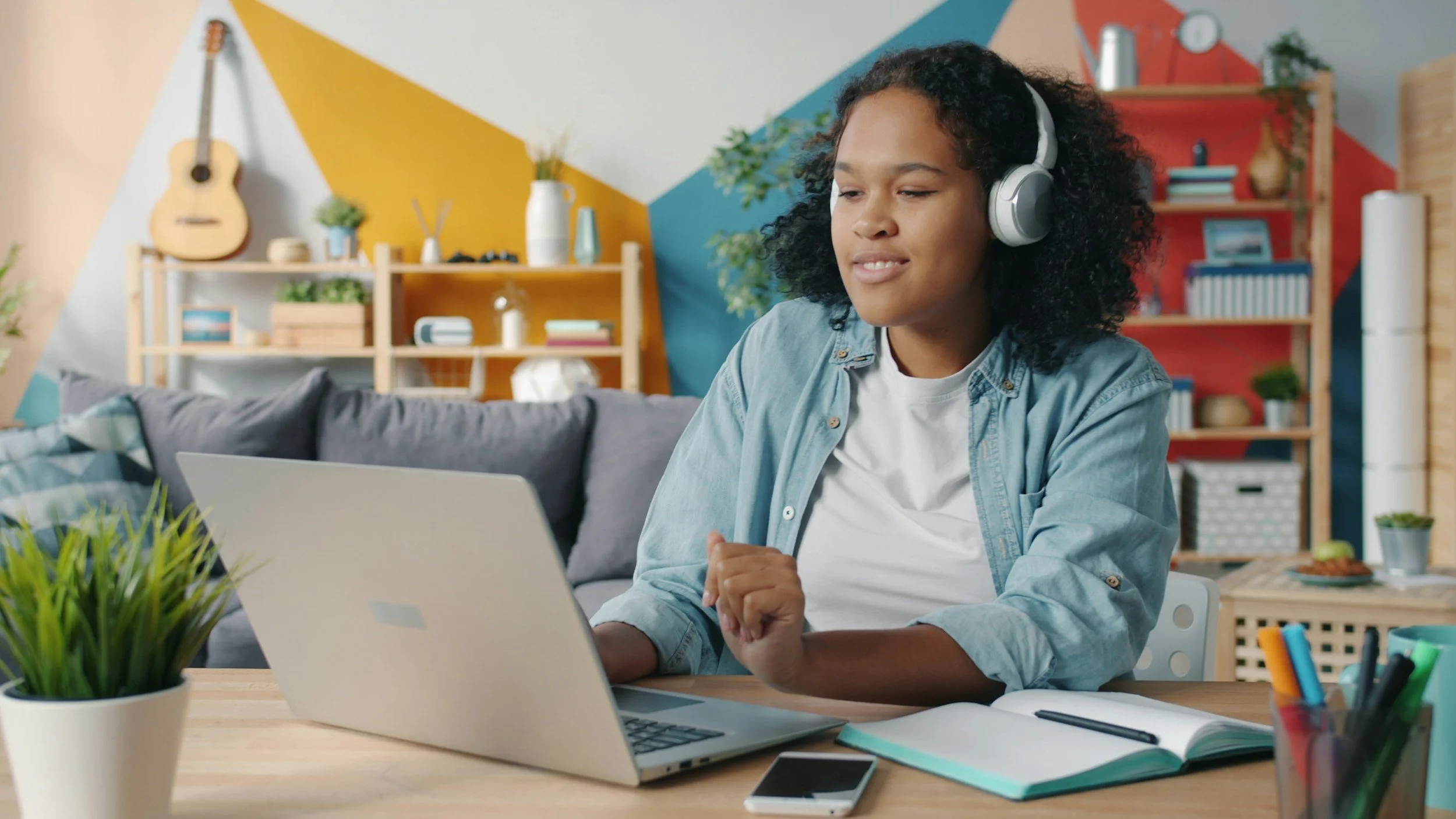
We start with high school students, inside Health Force Academy. We teach them how to deliver health education and how to create it, using the same AI and media tools already shaping the rest of their world. Then we pair them with seniors.
Together they build health education made for seniors, by seniors. A teenager learns to produce. An elder shares a lifetime of knowing what actually helps someone get through a hard day. What comes out the other side is real content — senior health education created by the people it's meant to serve.
Something else happens in that room. A young person who felt alone has someone who wants to talk. An older person who felt invisible has someone who wants to listen. Loneliness eases on both ends of the table, and mentorship runs in both directions. The force begins here — in a conversation between two generations.
Safer for seniors: The seniors who help build the content learn it best. They walk away understanding their own medications, knowing which warning signs are worth acting on, and seeing the fall hazards in their own homes. Isolation is one of the quietest risks in senior health — tied to faster decline and higher mortality — and steady intergenerational contact pushes back on it directly. Because the content is made in seniors' own voice, it lands with the wider community in a way a generic pamphlet never does.
Trainee — where it becomes practice
Senior health workers come up through the same academy. Here they learn to make health education a core part of how they care, and they practice in simulation before they ever practice on a person. Health Force Academy gives them AI patients, AI family members, and AI teammates, and lets them rehearse the hard parts until they're ready.
Step one — teaching for patient safety. They practice using health education to keep patients safe: explaining what a medication does, what a warning sign looks like, when to speak up.
Safer for seniors: Workers catch a change of condition earlier and escalate it cleanly, so a small problem gets handled before it becomes a hospitalization. And they make their mistakes in simulation, on an AI patient — long before they're ever standing over a frail resident.
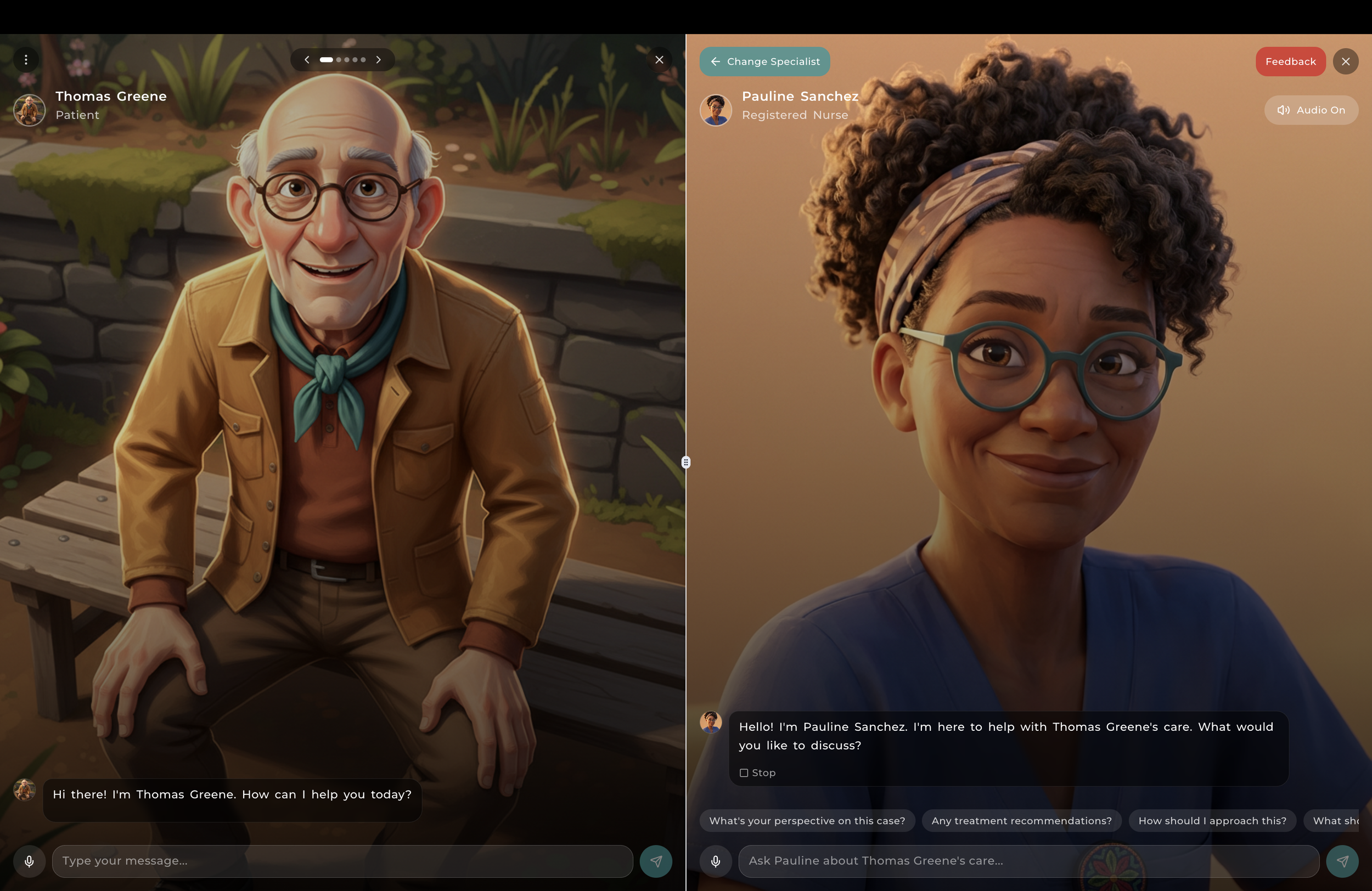
Step two — family as advocates. They practice bringing family in as a partner in care: turning a worried daughter into a second set of eyes at home, someone who knows the plan and the warning signs.
Safer for seniors: A coached family manages medications correctly, spots trouble between visits, and makes a discharge far less likely to bounce back into the hospital. Safety at home stops depending on luck.
Step three — organizational health literacy. They practice raising the health literacy of the whole organization, so a community stays safe because everyone shares the same language and the same instincts.
Safer for seniors: When a whole team speaks the same language for risk, escalation, and handoff, safety stops depending on who happens to be on shift — fewer missed signals, fewer falls, fewer infections, fewer dropped handoffs.
By the time they earn their certificate, teaching is simply part of how they care.
Professional — where it goes to work
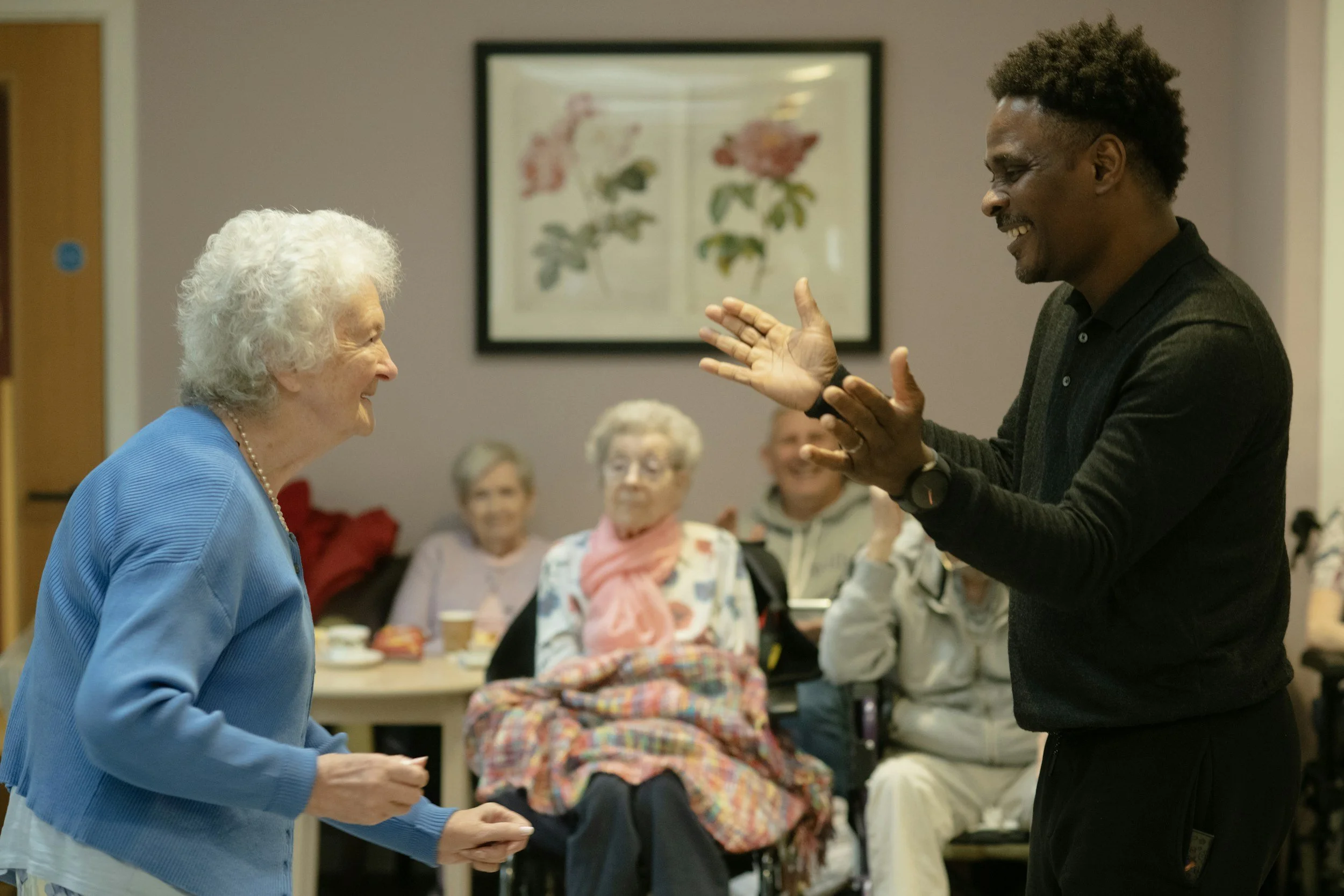
Then they do it for real. Every day. Real patients, real families, real teammates. We hand certified professionals Health Force Pro to coordinate care, document clearly, and keep teaching at scale without burning out — and The Well, the resource library every health educator wants, stocked with vetted health education content and the local providers to connect families to. The health educator we first started shaping in a high school classroom is now standing at a bedside, drawing on the best content there is, doing the work.
Safer for seniors: Everything rehearsed in simulation now shows up at the bedside, every day — earlier catches, fewer medication errors, fewer falls, fewer avoidable ER visits and readmissions, smoother transitions home. The Well puts vetted content and the right referral within reach, so small problems get handled before they become big ones. And workers who feel capable instead of overwhelmed stay longer — stable, experienced teams being one of the strongest predictors of resident safety there is.
What we're really building
That's the senior health force. Students who can teach. Seniors who become teachers. Workers who carry health education into every shift. A whole community fluent in the same language of safety and prevention.
We start with health education because of what it does when you get it right. Build enough people who can teach health well, and you don't just staff senior care — you raise its floor everywhere those people go. The whole arc is one thing, really: a patient-safety system built out of health education.